Thursday, May 12, 2022

ALBERTA, “WILD ROSE COUNTRY”

 
BY CLAY LARROY

When you choose to travel, whether it is for business or pleasure, it is important to plan your trip well before hand. Here are some tips to help you. Don't be afraid to cash in your airline miles. Many travelers let their miles accumulate and never bother using them. Reap the rewards of your traveling and spend the miles you've earned! Miles have expiration dates, so be sure to use them before they expire. Travelling is a great way to use your airline miles.  When you need to plan a vacation contact me!
Look at the article below for a mesmerizing viewpoint on Alberta.

Alberta - Province of Canada

Alberta is one of the three Prairie Provinces in Canada. Of the three, Alberta is the highest populated and most rapidly developing province. One of the ten provinces in Canada, Alberta was named after Princess Louise Caroline Alberta, fourth daughter of Queen Victoria and Prince Albert. In size, the province is as big as Texas or France, and as of 2009, there were approximately 3.7 million people in Alberta. This province is economically advanced because of the presence of petroleum reserves. The healthcare system in this province is one the most sophisticated and advanced, and a well educated population and growing economy contributes to this factor. Edmonton is the capital city and is located in the center of the province. Edmonton located in close proximity to many of the western Canada's refineries and oil fields.
Climate And Weather Conditions
Alberta is a landlocked province and experiences cold winters and warm summers. The climate in Alberta is largely dry and continental in character. The province is located in the Western part of Canada and hence is exposed to the cold arctic winds that blow from the north. The temperature also differs largely as the province extends from north to south.
People And Economy
The rapidly growing Alberta economy attracts immigrants from all over the world, especially Europe and parts of Asia, and also people from the other provinces. Most of the population in Alberta is concentrated around the Calgary-Edmonton corridor, as most of the northern part of the province is covered by dense forest. The southern half of the region in covered by short and mixed grass, typical prairie vegetation. English is the mother tongue of most of the native speakers, followed by Chinese, German, and French amongst other languages. The burgeoning economy in Alberta revolves round the petroleum industry and to some extent, technology and agriculture sector. Alberta is the largest producer of crude oil, natural gas, synthetic crude, and other gas products in the country. The other major industries include telecom and forestry. The province's GDP as recorded in 2007, was far higher than the GDPs of other provinces.

Tourism
Besides the oil reserves, Alberta is well known for its tourist attractions. It is an ideal destination for hiking, skiing, and camping. Also, shopping points, sporting events and competitions of international acclaim, and outdoor festivals make this province a favorite destination for tourists. The province is an eclectic mix of both natural and man-made attractions. The most noted ones include the Banff and Jasper National Parks, Rocky Mountains, ski resorts, etc.
The onset of summer brings in a number of festivals to this province. The most popular is the Edmonton Fringe Festival, which is the second largest in the world after Edinburgh's. Calgary Stampede is a much visited festival and is related to cattle ranching. The folk music festivals in the province are equally popular, and the largest of these festivals in Canada are organized in Calgary and Edmonton. Carifest is second biggest Caribbean festival in the country after Caribana is hosted by Toronto.
Alberta has a parliamentary democracy and the legislative assembly comprises of 83 members. Local school boards and municipal governments also operate in the province. The provincial government is led by the Progressive Conservative Partyand the premier heads the state government.
Alberta is a landlocked province and experiences cold winters and warm summers. The climate in Alberta is largely dry and continental in character.
 Canada's the best country in the world.
Justin Bieber
 
Live Life and Travel to create marvelous memories!


Tuesday, May 10, 2022

ALBERTA, “WILD ROSE COUNTRY”

by Clay Larroy

Regardless of whether you are traveling to a nearby location for the weekend or taking a week-long destination vacation, you are always going to benefit from some tips and ideas on how to make the whole process, more fun and less stressful. Take time each day to alleviate stress while traveling or vacationing and you will thank yourself for it when you get back home. With all the chaos, jet-lag, partying and other excitement of travel comes a whole lot of stress on your mind and body. By the time most vacations are over, another one is needed to recover so taking a few minutes each day to rejuvenate will make it easier for you to resume your normal life when it's all over. When you want to plan a vacation contact me!


Things to see and do in Alberta

Alpine diving

Horseshoe Lake, Patricia Lake and Lake Annette are three of the more popular alpine diving locations. Divers should be experienced and employ the 'buddy' system as the water is cold and often cloudy. The local Rangers Station supplies permits, maps and other information.

Ancient fossils

You can study dinosaur remains on the banks of the Red Deer River, on the 48km (30-mile) Dinosaur Trail near Drumheller. Also near downtown Drumheller is the Royal Tyrrell Museum of Palaeontology, with hands-on exhibitions and one of the world's largest collections of dinosaur remains.

Banff Summer Arts Festival

Alberta's biggest showcase of the arts (with dance, theatre, film, music and art) takes place over four months annually, all amidst the stunning backdrop of the Rocky Mountains.

Calgary Stampede

Canada's biggest rodeo is billed as the 'Greatest Outdoor Show on Earth'; it is held over 10 days in July each year (www.calgarystampede.com) and attracts many competitors and spectators with stage shows, parades, concerts, rodeo and agricultural exhibits.

Calgary Tower

Calgary's most recognizable feature, the 191m (626ft) Calgary Tower, offers panoramic views of the city, local towns and the Rocky Mountains. Sky 360, the rotating restaurant at the top, is a popular treat (www.sky360.ca).

Cowboy country

The heritage of ranching is alive and well in the town of Cochrane, west of Calgary. Country-and-western-themed shops pepper the downtown area and genuine cowboys still live and work in the region.

Historic site

You'll find Alberta's oldest surviving structure, the historic log cabin of Father Lacombe, in the town of St Albert, 30km (19 miles) northwest of downtown Edmonton. At one time it was the center of a thriving French-speaking Métis settlement (people of mixed native and European heritage).

Jasper National Park

Jasper National Park was established in 1907 and is the largest of Canada's Rocky Mountains parks, spanning 10,878 sq kilometres (4200 sq miles). The spectacular scenery is characterized by glaciers, rugged mountains, forests and meadows carpeted with alpine flowers. The park protects a range of fragile mountain ecosystems - elk, moose, bear, bighorn sheep and mule deer are regular sights - and is home to the threatened woodland caribou. Maligne Lake, 48km (30 miles) southeast of Jasper is surrounded by snow-capped mountains and its crystal clear waters are popular for boating and fishing.

Lovely lakes

Alberta boasts characteristic Canadian views: stunning lake scenery in Waterton Lakes National Park, joined to Glacier National Park in Montana to form the Waterton-Glacier International Peace Park; and Banff National Park in the heart of the Canadian Rockies.


National parks

The great outdoors is the main attraction in the southern part of the Rockies; Banff and Jasper national parks are obvious starting points.

Native heritage

The name sounds horrific but the prairie views are unparalleled at Head-Smashed-In Buffalo Jump, west of Lethbridge. This cliff-top is an ancient jump site, used for 10,000 years to drive buffalo to their deaths, thus providing native people with food, shelter and clothing.

On the slopes

Skiing, both cross-country and downhill, is a major pastime in the Rockies in the winter. Snowboarding is also very popular.

Scenic drive

The Icefields Parkway (Highway 93), running through Banff and Jasper national parks, affords magnificent views of the lakes, forests and the glaciers of the Columbia Icefield. It also provides access to wilderness trails in the area.

West Edmonton Mall

North America's largest entertainment centre and mall, the West Edmonton Mall (www.wem.ca), boasts theatres, restaurants, nightclubs, miniature golf course, ice rink, swimming pool, water park and amusement park, skateboard park, aquariums and bungee jump.

Winter sports

There are myriad ways to enjoy the wonderful mountain scenery, including dog sledding (trekking along mountain trails with teams of huskies under the supervision of experienced guides), ski-joring (being pulled along on skis by teams of huskies), wildlife tracking, snowmobiling and snowshoeing.

Wonderful wildlife

Elk Island National Park (www.pc.gc.ca/elkisland), which traces its roots to 1906, is home to over 44 different kinds of animals (including elk, moose, coyote and beaver), as well as massive herds of plains bison.

Wood Buffalo National Park

Vast expanses of boreal plains are yours to discover at Wood Buffalo National Park (www.pc.gc.ca/woodbuffalo) (Canada's largest national park, bigger than Switzerland), granted World Heritage status by UNESCO in 1983. It provides the perfect habitat for many rare species of wildlife, including the world's largest free-roaming bison herd.

REFERENCE SITES:
http://www.travelresearchonline.com/

”Canada has great natural resources, and its people have the spirit
 and ability to develop them.” 
-Charles E. Wilson

Live Life and Travel to create marvelous memories!


Sunday, May 8, 2022

ALBERTA, “WILD ROSE COUNTRY”


by Clay Larroy

Traveling can be an important part of your life, whether for business or for pleasure. Take time each day to alleviate stress while traveling or vacationing and you will thank yourself for it when you get back home. With all the chaos, jet-lag, partying and other excitement of travel comes a whole lot of stress on your mind and body. By the time most vacations are over, another one is needed to recover so taking a few minutes each day to rejuvenate will make it easier for you to resume your normal life when it's all over. When you want to plan a vacation contact me!


Alberta is a nature-lover's paradise, enriched by wide-open spaces and stunning sunsets. In terms of nature, the province is renowned for the glorious peaks of the Rocky Mountains and the beauty of its parks, epitomized by Canada's first national park, Banff.
Alberta also has vast plains, but it is the mountainous Rockies where you'll find your jaw continually dropping. Whether driving along the Icefields Parkway or hiking through a forested park, you'll be amazed by this alpine wilderness of woodland, mountains and lakes. If anything exemplifies 'picture-postcard', it is this.
Even in Alberta's cities there is plenty of green space, including Canada's largest living history museum, Fort Edmonton Park. Albertans love to hark back to the Klondike Gold Rush of 1897, but it was the discovery of oil south of Edmonton in 1947 that assured the city of its future, making it one of Canada's fastest-growing metropolitan areas.
Edmonton's love affair with the past reaches its apogee in the annual Capital EX fair each July, when amid other attractions (fairground rides, rock concerts and so on) Edmontonians relive the Gold Rush days with events like gold-panning contests. Most people consider Alberta's true 'gold' to be its stunning scenery, however. And that makes Alberta one very rich province, indeed.


Region Attractions in Alberta

Jasper National Park

Jasper National Park was established in 1907 and is the largest of Canada's Rocky Mountains parks, spanning 10,878 sq kilometres (4200 sq miles). The spectacular scenery is characterised by glaciers, rugged mountains, forests and meadows carpeted with alpine flowers. The park protects a range of fragile mountain ecosystems - elk, moose, bear, bighorn sheep and mule deer are regular sights - and is home to the threatened woodland caribou. Maligne Lake, 48km (30 miles) southeast of Jasper is surrounded by snow-capped mountains and its crystal clear waters are popular for boating and fishing.

Website http://www.jaspernationalpark.com
 
REFERENCE SITES:
http://www.travelresearchonline.com/ 

“Always in Alberta there is a fresh wind blowing.”

— Nellie L. McClung

Travel to experience life and create spectacular memories!


Friday, May 6, 2022

ALBERTA, “WILD ROSE COUNTRY


BY CLAY LARROY

After working and studying hard all year long families across the United States will be taking long awaited vacations. Family vacations and travel can be the most rewarding experience. Families that take vacations together build memories that will last a lifetime. Family vacations are so important, as it gives us a way to connect with each other in a stress-free relaxed environment. When you need to plan a trip contact me!

Overview of Alberta

Tourism in Alberta is centered on the famous Rocky Mountains which flank its western border with British Columbia, offering a host of alpine attractions. The north is a sparsely inhabited wilderness of forests, lakes, and rivers; the provincial capital of Edmonton is central; while on the border with Saskatchewan in the east, the atmosphere takes on a Wild West feel in the prairies and Badlands.

Even in the cities and towns, visitors to Alberta can be sure that nature is never far away. Albertans love the outdoors, and urban environments are interspersed with plenty of lush river parks and greenbelts. In fact, Edmonton has more parkland per capita than any other North American city. An important aspect of Alberta's heritage is its aboriginal culture. Home to 43 First Nations, this heritage has been preserved in 14 reserves and educational attractions, ranging from the world's largest tepee to native interpretive trails and exquisite handmade crafts.

The natural beauty of this Canadian province is world-renowned, so it's no surprise to discover that it is home to five of Canada's 14 World Heritage Sites: Head-Smashed-In Buffalo Jump, Waterton-Glacier International Peace Park, Banff-Jasper National Parks, the enormous Wood Buffalo National Park, and Dinosaur Provincial Park.


Climate for Alberta

Alberta has a dry continental climate, with four distinct seasons including hot summers and very cold, snowy winters. Summer runs between June and August, when days are warm and evenings are cool.

Winters, between December and February, are cold with heavy snowfalls, particularly in the Rockies. The provinces large and extends over multiple terrains, making the climate highly variable from area to area.in such cases tipping is not necessary.


REFERENCE SITES:

http://www.travelresearchonline.com/

“I would like to especially acknowledge my home community of Calgary, and the people of central Alberta who made my dream of freedom a reality.”

— Amanda Lindhout


Travel  have fun and create wonderful memories for your family!

Wednesday, May 4, 2022

NORTHWEST TERRITORIES, "CANADA'S LAST FRONTIER"


BY CLAY LARROY

Regardless of whether you are traveling to a nearby location for the weekend or taking a week-long destination vacation, you are always going to benefit from some tips and ideas on how to make the whole process, more fun and less stressful. Take time each day to alleviate stress while traveling or vacationing and you will thank yourself for it when you get back home. With all the chaos, jet-lag, partying and other excitement of travel comes a whole lot of stress on your mind and body. By the time most vacations are over, another one is needed to recover so taking a few minutes each day to rejuvenate will make it easier for you to resume your normal life when it's all over. When you want to plan a vacation contact me!

 The article below offers an enchanting viewpoint on the Northwest Territories!


A Vacation in the Northwest Territories


The Northwest Territories are situated in northern Canada, bordering Nunavut to the east, Saskatchewan and Alberta to the South, British Columbia is southwest, Yukon to the west, and the sea to the north. It covers an enormous amount of land yet, like Canada's other northern regions, it remains barely populated. This is good news for those wanting a vacation in the Northwest Territories in order to get away from the maddening crowds and enjoy the peace and quiet of nature.

Weather in the Northwest Territories
Roughly half of the territory sits above the tree line; consequently, it gets a bit of a warmer climate than its neighboring territories. However, since it covers over 500,000 square miles, you can expect a range in climate from north to south.

The northern coast experiences a polar climate, characterized by a substantial lack of warmth during the summer months. While the sun shines almost 24 hours a day in the summer, the winter rarely sees any light. Temperatures can reach as low as -40 degrees Fahrenheit.
Southern portions of the territory have a subarctic climate with short, mild summers, averaging 68 degrees Fahrenheit, and long, cold winters, averaging daytime temperatures of -4 degrees Fahrenheit and night-time lows of -22 degrees Fahrenheit.

While thunderstorms are rare, occurring mostly in the southern areas, the territory experiences arctic blizzards, violent snowstorms that cause whiteout conditions and can bring about temperatures of -60 degrees Fahrenheit. While these phenomena are a thrill to watch when you are safe and sound inside, visitors should take weather warnings very seriously.

Major Cities
  • Yellowknife - It is the capital of the territory and the highest populated city with less than 20,000 habitants. Seeing its first settlement in 1935, when gold was found in the region, it is a relatively new city. Every vacation in the Northwest Territories must include a trip to The Gold Range Bar, the oldest drinking establishment in the area, and the inspiration for "Solomon Gursky Was Here," a novel by Mordecai Richler.
  • Hay River - This small town of approximately 3,500 people is second in line as the most populated area in the territory. It is said to have been inhabited as far back as 7,000 BC, but it was not until 1892, that settlers brought dairy cows and started building log cabins. Anyone interested in the country's history will certainly enjoy a visit to Hay River.
  • Inuvik - Here is a town known for its Igloo Church - a must-see. Since1989, for 10 days in July, the Great Northern Arts Festival celebrates its local artists, artisans, and performers


Things to Do

Regardless of the season, there are a multitude of things to do on a vacation in the Northwest Territories. Whether you play in the snow, visit a wilderness lodge, or hike one of the hardest trails in North America, there are enough activities here to keep you busy and happy.

  • Cross-country Skiing - It is a way of life to dwellers in the Northwest Territories. Some trails have been made famous by Canada's first cross-country team to participate in the Olympics.
  • Hiking - From scenic trails for the casual stroller to challenging treks for the advanced backpacker, the region offers memorable hiking adventures. Canoe Heritage Trail is known to be a worthwhile challenge. There are also guided tours on horseback or on foot in the Mackenzie Mountains.
  • Rafting - Visitors from around the world take a vacation in the Northwest Territories just to go white water rafting. Expeditions on major rivers are always accompanied by seasoned guides.
  • Canoeing and Kayaking - There is virtually every type of freshwater adventure available here. A peaceful canoe ride on a lake surrounded by unspoiled wilderness is a breathtaking experience, while kayak enthusiasts burn off adrenaline on the Pelican Rapids and the unforgiving Rapids of the Drowned. Some of the fastest moving waters in the world flow through this area.
  • Dog Sledding -Dogsleds rule in this region. You can choose to drive your own team of huskies or leave it to the experienced mushers. Lovers of nature enjoy a long run through the Mackenzie Bison Sanctuary, with an overnight stay in an insulated tent; and they can watch the northern lights.
  • Wildlife Watching - Canada's most pristine wildlife areas are found in the Northwest Territories. Take a guided tour through a wildlife sanctuary and you may spot a moose, bison, black bear, fox, caribou, wolf, or perhaps a grizzly. At the edge of a floe, you may be lucky enough to observe some whales.
  • Shopping - Souvenirs are truly one-of-a-kind. Clothing is made from traditional materials with exquisite bead work while unique carvings and paintings are created by the local artists. Do not forget that since the diamond boom of 1991, this is the ideal place to buy some sparkle to take home with you.
Whatever it is you choose to do, rest assured that your trip to Northwest Territories will be memorable.

Johnny Mangiante is an online journalist. He is also the editor and webmaster for many websites. For more information on Travel Medical Insurance for Visitors to Canada see his website www.visitorstocanada.com.


REFERENCE SITES:


In Canada, it's beer, hockey, and then everything else.
 Edge
 
Travel to experience life with those you love!


<a href="http://socialcompare.com/en/comparison/blog-ping-services-2nz3dpx2">SocialCompare</a>

Monday, May 2, 2022

NORTHWEST TERRITORIES, "CANADA'S LAST FRONTIER"


BY CLAY LARROY

Leisure travel is a wonderful experience that everyone should have in their lifetime. Even business travel can be made enjoyable. There are some aspects of travel that can detract from your enjoyment.  When planning to fly for a trip, don't forget any frequent flier miles you might have racked up. It does you no good to hang onto those once you've already gone on your big vacation. Even if you don't have enough miles to cover the whole trip, many airlines will allow you to discount your rate using your miles. When you want to plan a vacation contact me!


YELLOWKNIFE, "DIAMOND CAPITAL OF NORTH AMERICA"

Friendly Little City
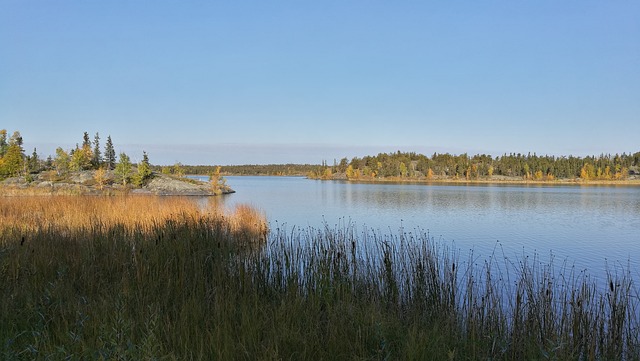
Yellowknife has a reputation as a friendly little city, a happy reminder of its frontier past. The City of Yellowknife sits on the north shore of Great Slave Lake, the ninth-largest lake in the world, and the deepest recorded lake in North America. It is a unique urban outpost of a town, with all the modern amenities of a large city in the middle of a vast subarctic wilderness. You are only minutes away from nature trails, lakes, abundant wildlife, and waterfalls. 
Yellowknife offers the visitor plenty of opportunity to experience the North’s cultural heritage. Learn about the ancient aboriginal history of the north shore of Great Slave Lake, the fur trading empire that stretched along the waterways of the 19th century, and the settlers that came to Yellowknife Bay in the mid-1930s in search of precious metals. Experience northern heritage in today's landscape, where old traditions mix with the modern way of life, a Yellowknife where diamonds are now mined from the Canadian Shield, while old methods of transportation - ice roads and vintage airplanes - still provide steady service to our communities.
Northern Frontier Visitors Center
Yellowknife's regional visitors center should be your first stop when you arrive. It is easily accessible just off the main highway leading into town and our staff can offer you a wide range of information on the surrounding landscape. Exhibits on Yellowknife history, mining and geology, natural history, and aboriginal culture is presented in constantly evolving displays. A small gift shop offers a selection of northern souvenirs. Our staff can help you plan your visit to Yellowknife by providing contact information for services and brochures on what there is to see and do. 
Prince of Wales Northern Heritage Center
The Prince of Wales Northern Heritage Center is the NWT museum and archives. The museum acquires and manages objects and archival materials that represent the cultures and history of the Northwest Territories, plays a primary role in documenting and providing information about the cultures and history of the NWT, and provides professional museum, archives and cultural resource management services to partner organizations. The museum holds in trust for the public a large collection of objects that represent the peoples and cultures of the NWT, and produces exhibitions that tell stories about the land, people and history. Visit http://www.pwnhc.ca for more information on exhibits.


Northern Arts and Cultural Centre
The Northern Arts and Cultural Center (NACC) is a 313 seat theater facility located in Yellowknife, Northwest Territories, Canada. It was built with the help of the publisher of the Globe and Mail newspaper whose fund raising efforts raised monies from varied sources across Canada. It is the only fully equipped live performance theater in the NWT. NACC is a venue and supporting agency for northern, national and international artists. We operate a variety of programs in communities throughout the NWT on an ongoing basis. From educational workshops to performing artist mentor-ships, the NACC is a vital part of the community of the Northwest Territories. Visit the NACC website at http://www.naccnt.ca/for information on upcoming performances.
NWT Diamond Centre
Visit the NWT Diamond Center at 5105-49th St. where the stories of Diavik and Snap Lake Mine - located 300 kilometers north of Yellowknife - is told in this interpretive exhibit, showcasing the fascinating geology of kimberlite deposits, the technology of mining in the sub-arctic, and the process to turn a rough stone in a beautiful diamond. Visitors to the center may purchase diamonds that have been mined, cut and polished in the NWT. The NWT Diamond Center is open from 9am-5pm Monday to Friday. For more information, please call (867) 920-7108.
Mining Heritage Displays
The NWT Mining Heritage Society has begun development of a mining interpretive center at the old Giant Mine town-site. Outdoor exhibits of old mining machinery, vehicles, and some buildings are on display for public viewing near the Public Boat Launch at Giant Mine. Visit http://www.nwtminingheritage.com for more information about the proposed mining museum.
Legislative Assembly
The seat of government for the Northwest Territories is located in the capital city of Yellowknife. The Legislative Assembly building is one of the newest legislatures in Canada and one of the most unique, highlighting our consensus style of government and also the traditional values of the people of the territory.  The Legislative Assembly is where Members from across the Northwest Territories come together and make decisions on behalf of all Northerners. Tours are available of the facility, where visitors can learn about the unique system of consensus government that sets the Northwest Territories apart. Visithttp://www.assembly.gov.nt.ca/_live/pages/wpPages/visitortours.aspx for information on tours.
Bristol Monument
This old airplane introduces the visitor to Yellowknife along Highway #3, near the Airport. It is a Bristol freighter, once operated by Wardair Limited, an early air operator in the community. This very plane was the first the land on skis at the North Pole in 1967. The historic craft was donated to the City of Yellowknife in 1970 and is on display for all to see and appreciate the north's aviation heritage.
Ice Roads
The north has very few all-season roads because construction is expensive and often an engineering feat in the sub-arctic. Luckily, intrepid transportation engineers have devised a way to keep our communities and mining projects open to traffic nearly year-round, through the construction of ice roads. Several ice roads, including an access road across Yellowknife Bay to the aboriginal community of Dettah, and the famous ice road to the diamond mines, are open for public use in the winter months of January to March each year. It is suggested that travelers keep up-to-date on road conditions by visiting the GNWT Department of Transportation website at: http://www.dot.gov.nt.ca/_live/pages/wpPages/roadConditions.aspx
Old Town
Yellowknife’s Old Town is a must-see for all visitors. It’s a rocky point of land, part of the City’s Great Slave Lake waterfront, with a colorful past. It was an ideal location to begin a community in the 1930's. The waterfront was once the commercial hub of the region, where float planes and barges would pull up to their moorage, and several pioneer business got their start to service the miners and trappers. Old Town is now an upscale residential and commercial area with many gift shops, restaurants, cafes, and accommodations.
Walk the historic streets of Old Town with a heritage guidebook available for free from the Northern Frontier Visitors Center. Buildings from the 1930's rub shoulders with unique homes designed by local architects. Bush planes still tie up to the docks and land on the historic water domes of Back Bay. In summer, eat at the Wildcat Café, the city’s oldest restaurant, dating back to 1937. Year round, try the fish and chips cooked to order at Bullock's Bistro. Shop for your clothing needs at Weaver & Devore Trading, Yellowknife's oldest trading post in business since 1936.
Don’t miss the panoramic view from the Bush Pilots Monument. In summer, Great Slave Lake stretches to the horizon, in fall and winter, the aurora dances overhead. The monument commemorates the men and women who flew the tiny bush planes which opened the North. Hike up the stairs, the view of water, rock and the city is truly breathtaking.
New Town
The downtown core of Yellowknife was established in 1945 to accommodate the growth of the community which had out grew its roots along the waterfront. It is now the commercial core of the city and offers all of your shopping and accommodation needs. A heritage guidebook available for free from the Northern Frontier Visitors Centre can help show you some of the local history of the area, where old suburban houses from the 1940s mix with government office towers. 
Ragged Ass Road
Ragged Ass Road in Old Town's Willow Flats area is a must see for visitors. 'Ragged Ass' is a colloquial term for “dirt poor”. The story involves three local fellows, a late night and just the right amount of liquor. The boys decided to rename their street Ragged Ass Road. They painted a sign and put it up, in a part of Yellowknife called Old Town. The name stuck, and soon after, Ragged Ass Road was adopted as an official street name. Singer Tom Cochrane named a music album after Ragged Ass Road. Pick up your very own full sized (or pint sized) official Ragged Ass Road sign from the Northern Frontier Visitor's Center gift shop, together with a wide variety of other Ragged Ass memorabilia. 
Art Walk
Yellowknife hosts a vibrant art community. There are dozens of galleries and artists in residence, plus a number of public displays of art, murals, and sculptures around the town. Please visit the Northern Frontier Visitor's Center for an 'Artswalk' brochure.

REFERENCE SITE:

 I used to live in Canada. It's a beautiful country with a lot of different kind of topographic regions. 
Sebastian Bach
 
Travel and create wonderful memories for you and your family!